Holmes Family Park
Community: City of Chelsea
Population: Under 6,000
Project Description
Main Street Park is a transformative community-led project in the heart of Chelsea, converting a long-blighted, contaminated downtown property into a vibrant, accessible public space. Led by the Main Street Park Alliance, a local 501(c)(3), the project advances key community priorities including expanded green space, walkability, non-motorized connectivity, and inclusive recreation . The park is designed to support environmental restoration, intergenerational play, cultural events, and improved physical and mental well-being for residents of all ages and abilities .
The initiative reflects extraordinary community engagement, with over 1,000 participants, including strong youth input through schools and more than 500 donors contributing to its realization . With a total investment exceeding $10 million and significant grant support for environmental remediation, Main Street Park represents a powerful model of public-private partnership and long-term economic and social return for the community.
Is your project easy to replicate in other communities (clear in its impact and execution for other communities)?
Yes, this project is highly replicable because it is built on a disciplined, community-driven model that other municipalities can confidently follow. At its core is a nonprofit-led structure, supported by a joint working group of city leadership, stakeholders, and community partners who met consistently on a monthly basis. This created a transparent, accountable environment where progress was shared openly, decisions were understood, and trust was continuously strengthened.
What makes this model especially powerful is the intentional commitment to listening. The process was not top-down. It was shaped by the voices of residents, including youth, families, and seniors. We listened, we learned, and we worked together to refine a vision that truly reflects the community it serves. That alignment between community voice and project execution is what turned a long-blighted site into a shared civic asset.
The combination of nonprofit leadership, public partnership, structured engagement, and layered funding creates a clear and repeatable framework. It demonstrates that when transparency, teamwork, and community trust are prioritized, even the most complex projects can be delivered in a way that is both impactful and enduring.
What is the Community Wealth Impact (based on one or more of the categories you selected) of your project?
he Community Wealth Impact of Main Street Park is both immediate and long-term, strengthening Chelsea across multiple dimensions of economic, social, and environmental value. Economically, the project transforms a long-blighted property into a vibrant public asset that drives increased foot traffic, supports local businesses, and enhances surrounding property values. National data from the Trust for Public Land reinforces this impact, demonstrating that every dollar invested in green space returns multiple dollars to the community through economic activity and value creation.
Socially, the park expands access to safe, inclusive, and universally accessible space designed for all ages and abilities. It fosters connection, supports mental and physical well-being, and creates a shared place where community life can thrive. The intentional inclusion of youth voices and broad resident engagement ensures the space reflects and serves the full community.
Environmentally, the project advances ecological restoration and sustainable design through native plantings and remediation of previously underutilized land. This improves environmental health while contributing to long-term resilience.
Together, these outcomes represent a meaningful investment in community wealth, not only in financial terms, but in quality of life, public health, and the enduring strength of Chelsea’s civic fabric.
Describe the creativity and originality of your project.
Main Street Park reflects a highly creative and original approach to public space development by transforming a long-blighted property through an uncommon level of collaboration, persistence, and innovation. Rather than relying on a traditional municipal model, the project was advanced through a nonprofit-led partnership supported by a joint working group that met regularly, creating a culture of transparency, shared ownership, and disciplined progress.
What distinguishes this effort is the way every available lever was intentionally pulled and every stakeholder was brought to the table. The project team worked in close partnership with the Washtenaw County Brownfield Authority to address environmental challenges and unlock the site’s potential, while also aligning city leadership, community partners, and philanthropic support. This level of coordination across public, private, and nonprofit sectors is both rare and highly effective.
Equally important is the depth of community engagement. The team went beyond traditional outreach, actively engaging residents across all demographics, including students, to ensure the final design reflects the full voice of the community. The result is a space that integrates ecological restoration, accessibility, recreation, and cultural connection into a single, cohesive vision.
This project is not simply creative in design. It is creative in process, partnership, and execution, demonstrating what is possible when a community commits to working together with intention and purpose.
Project Multimedia
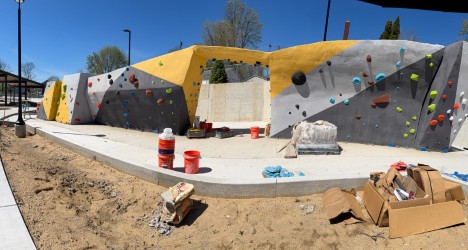
Build for Adventure. Designed with safety in mind for every generation.
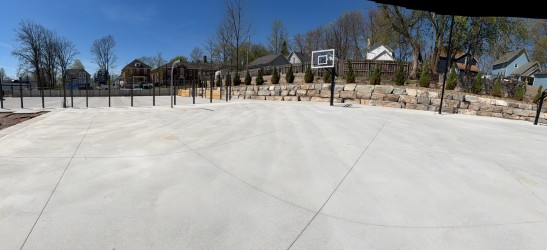
Bringing the community together – one game at a time.
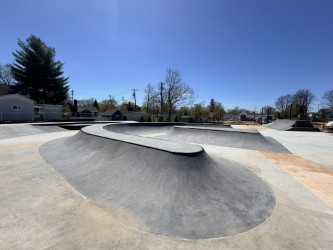
Youth-forward. Where Creativty meets the motion of a skateboard.
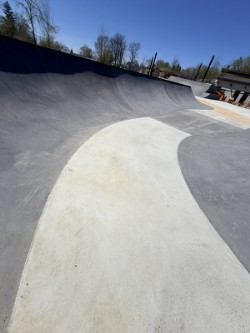
Built for Flow. Designed for connection for the next generation.