Homegrown in Nelson Park, Sterling Heights
Community: City of Sterling Heights
Population: Over 12,001
Project Description
Homegrown in Nelson Park, Sterling Heights: Once an underdeveloped neighborhood park, Nelson Park has been transformed into a community wealth model Michigan communities can replicate with scalable upgrades and partner-led programming. Educational creativity is demonstrated through interpretive signage, conservatory tours, and garden programming that build lifelong skills, from children’s nature-center lessons to adult cultivation training. A public/private partnership equips people with disabilities with life skills and gardening experience. Public health gains include accessible ADA raised beds and trails, fresh-food access, a microforest that will cool and clean the air, and mental-wellness social programming. Arts and culture are embedded through artist-painted benches, paint-and-sip events, and a pavilion that supports organic diverse cultural gatherings. Economic resilience follows through job creation, property value uplift, and renewable food donations. Sustainability is built in through native/no-chemical landscaping, an apiary and conservatory for pollinators, recycled donated coffee-grounds compost, and upcycled wind-turbine seating. Infrastructure is improved through stormwater mitigation and native habitat.
Is your project easy to replicate in other communities (clear in its impact and execution for other communities)?
This type of project is scalable because it is not dependent on a single facility or funding level. Communities can begin with a modest garden, seating area, native landscaping and educational signage, then expand over time through grants, sponsorships and partnerships. The model is flexible enough to work in a neighborhood park, schoolyard, civic campus or vacant lot, while still advancing shared goals around education, health, culture, sustainability and community connection. For example, a community with limited resources could begin with just a few raised beds, one ADA-accessible bed, native landscaping, a bench or two and volunteer-led gardening workshops in partnership with a local school or garden club.
What is the Community Wealth Impact (based on one or more of the categories you selected) of your project?
Lifelong Learning: The garden supports education and training from young childhood all the way to adult learners. Educational programming includes learning how to care for and cultivate plants, opportunities for guided tours and presentations at a Conservatory and interpretive signage throughout covering ecosystems, microforests, indigenous species and more. There is even a partnership with Dutton Farms, sponsored by Genisys Credit Union, to help teach adaptive clients life skills and how to grow their own produce.
Public Health: Nelson Park enhancements have had a positive impact on public health by increasing access to fresh, healthy produce while remaining active through the process of gardening. The included microforest provides cleaner air and reduces heat island effect. In addition, improvements have had a positive impact on residents’ mental health through the creation of an outdoor social gathering space for informal meetups or organized Yoga events as well as opportunities for exercise via gardening and the walking trail. Our ADA beds mean these benefits are accessible to all.
Arts and Culture: Nelson Park is a major park in the city’s south end, a previously underserved area. We chose to enhance this park to promote cultural gatherings, and improvements have provided a pavilion and gathering spot for the Chaldean elders in adjacent neighborhoods to play backgammon and socialize. We have also hosted “paint and sip” events to promote art as well as a variety of children’s programs and field trips. We leveraged the respite benches and the Children’s garden as a place to incorporate public art by having local artists paint benches and the raised bed.
Financial Security: The Nelson Park project has enhanced financial security by creating jobs, and the investment has improved property values surrounding the project. In addition, the community garden provides a renewable resource for food, providing local groups – like Cranbrook Youth Group – the opportunity to donate food from their bed(s) throughout the summer.
Sustainability and Infrastructure: Every aspect of the Nelson Park project was built to have a positive impact on our community’s sustainability and infrastructure. We upcycled retired wind turbines for respite seating, added a microforest and a grove of trees and even partnered with Biggby to recycle their used coffee grounds for compost. All park landscaping is native to attract pollinators, there is an apiary and a conservatory, no invasive plants are allowed in garden beds, and no fertilizers or chemicals are permitted.
Describe the creativity and originality of your project.
Nelson Park’s enhancements stand out because they combine community gardening, accessibility, butterfly habitat, public art, and sustainable design into one resident-focused destination. Some of the most creative elements of the Nelson Park Community Garden and related enhancements are the features that blend placemaking, accessibility, sustainability, and public art rather than treating the site as just a traditional garden.
One of the most distinctive features is that the City designed the new Community Garden and Butterfly Conservatory to include functional public art, not just landscaping. Two pieces were approved for the site: a “Deborah Swing” placed near the butterfly conservatory, and a “Beacon Bench” positioned as an artistic focal point at the entry to the new amenities. What makes this especially creative is that both pieces are made from upcycled retired wind turbine components, turning industrial materials into sculptural park amenities that residents can actually use. The pieces were also intended to be painted by commissioned artists, adding another layer of local artistic identity.
The community garden was framed as a welcoming, multigenerational space rather than a one-size-fits-all plot layout. The City highlighted a mix of in-ground beds, raised beds, ADA-accessible beds and children’s garden beds. That combination is a creative strength because it supports different ages, physical abilities, and gardening experience levels in one shared civic space.
Another especially imaginative enhancement is the pairing of the community garden with a new butterfly conservatory. This expands the concept from “garden plots” into a more immersive nature and educational destination, giving the park a stronger environmental and family-oriented identity. The swing placement just outside the conservatory reinforces that this area was meant to be an experience, not only a utility space.
Using repurposed wind turbine blades for seating and gathering features, as well as partnering with Biggy to recycle coffee grounds as compost, give the project a strong sustainability story, and one that is more creative than standard site furnishings or fertilizing because it connects environmental values, storytelling, visual interest and public/private partnership in a way residents are likely to remember.
Nelson Park improvements also connect to a broader open-space strategy, including a trail section behind Nelson Park extending toward Ryan Road and movement through or alongside natural prairie habitat associated with grant-supported ecological work. That adds a recreation-plus-nature dimension beyond the garden itself.
Project Multimedia
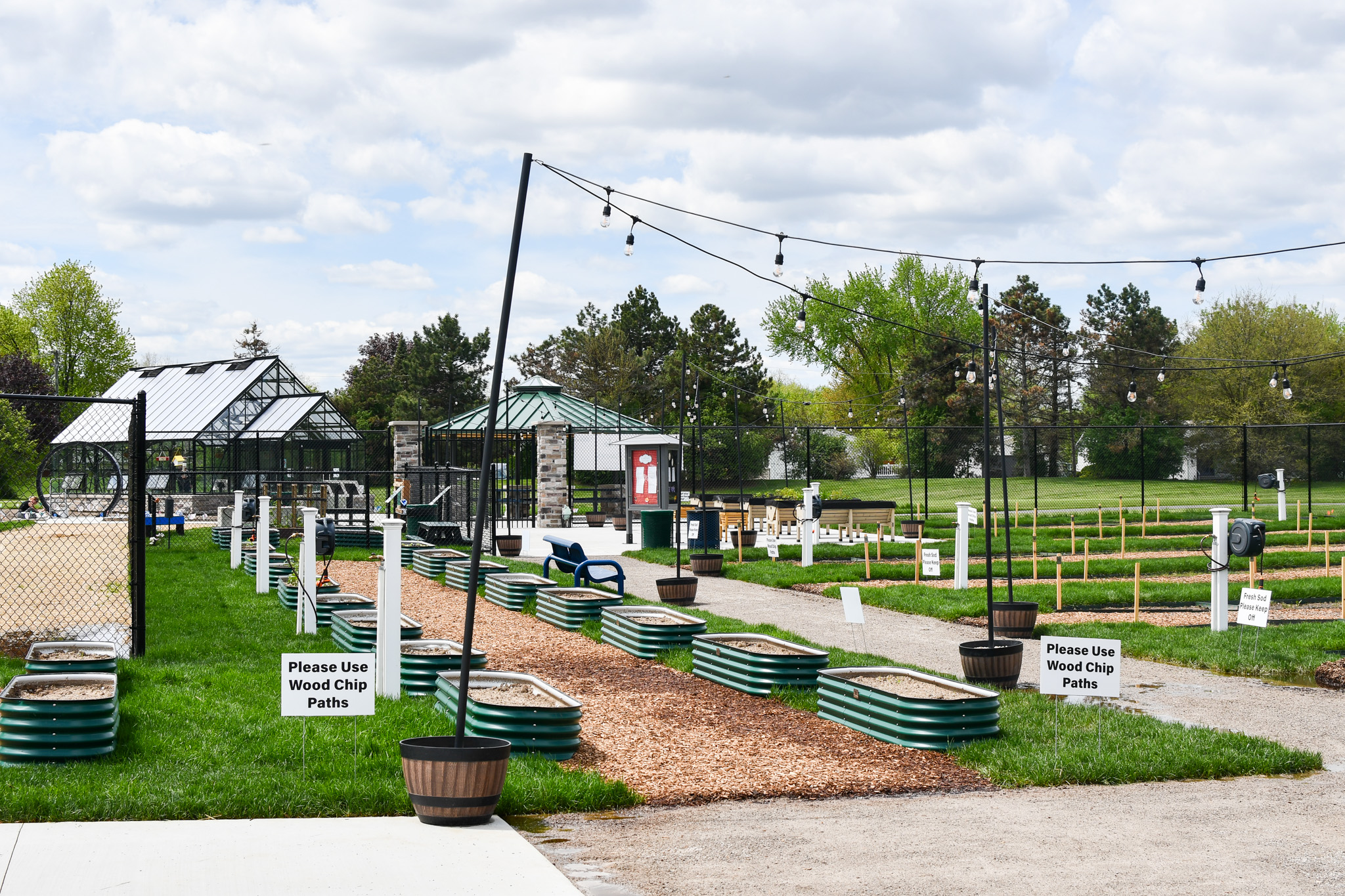
A variety of beds and options, including ADA accessible beds, make this project welcoming to all.
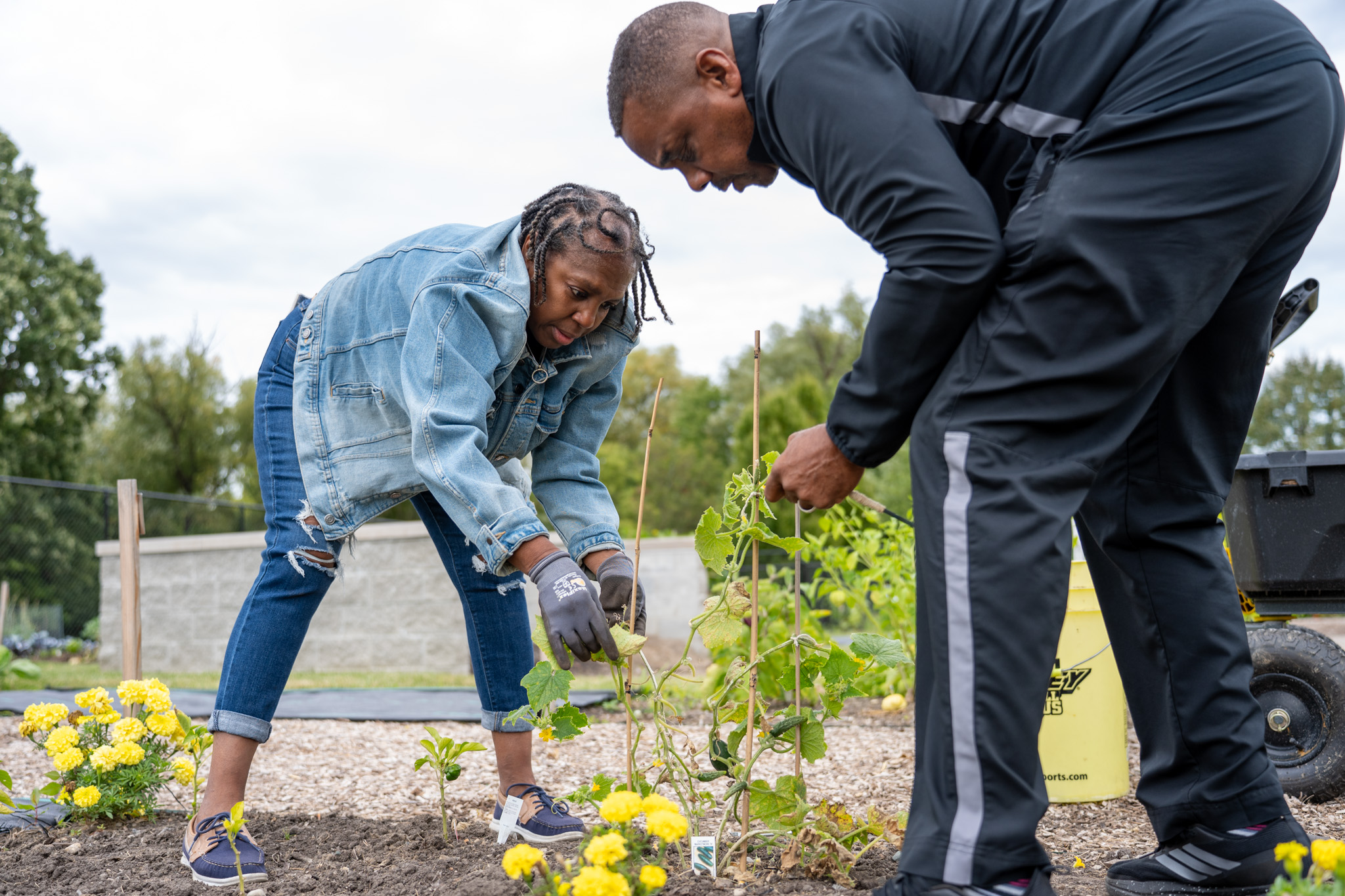
Residents get physical activity and the mental health benefit of being outdoors as they tend to their plants.
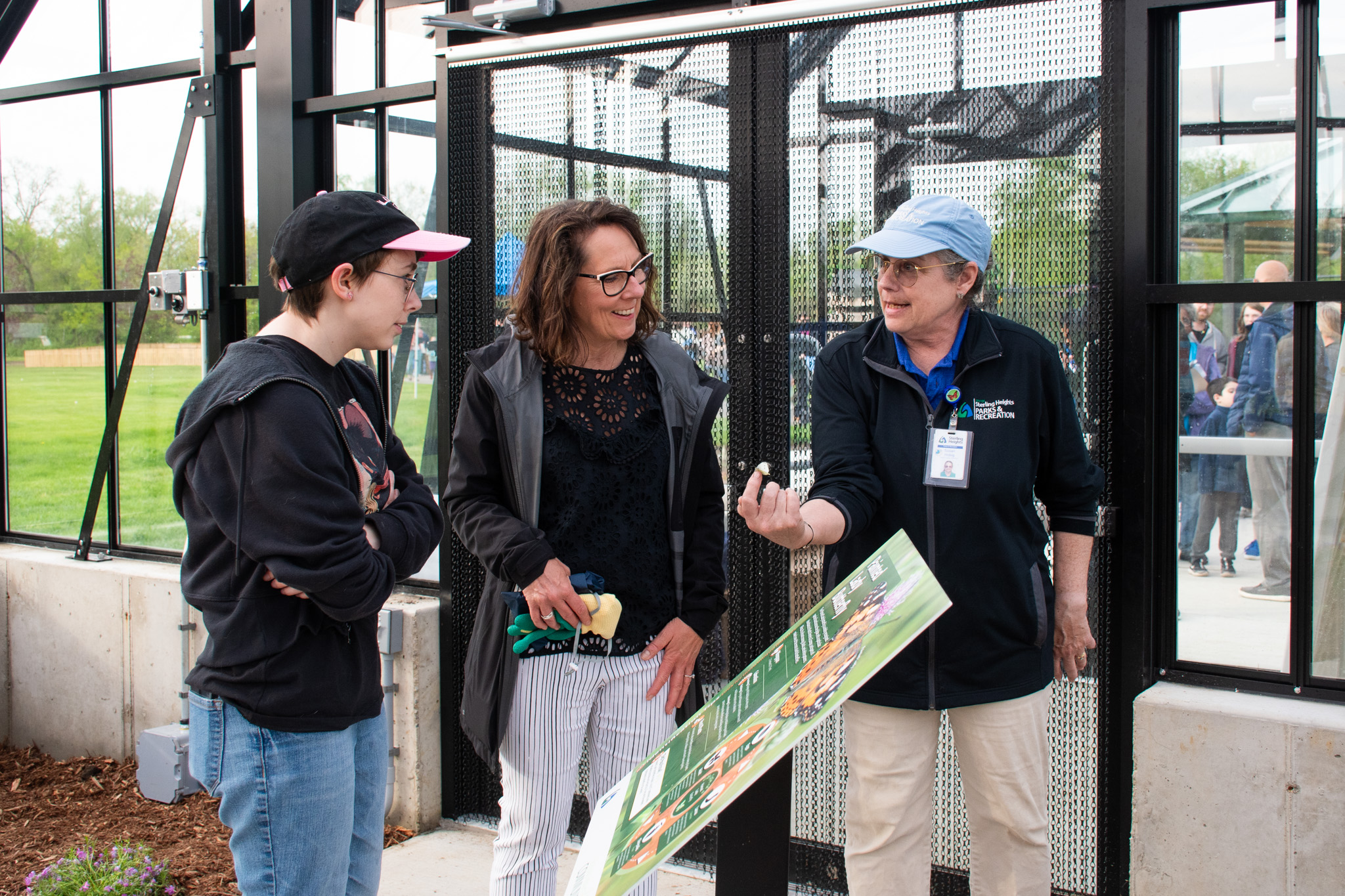
The addition of a new butterfly conservatory expands the concept from “garden plots” into a more immersive nature and educational destination, giving the park a stronger environmental and family-oriented identity.
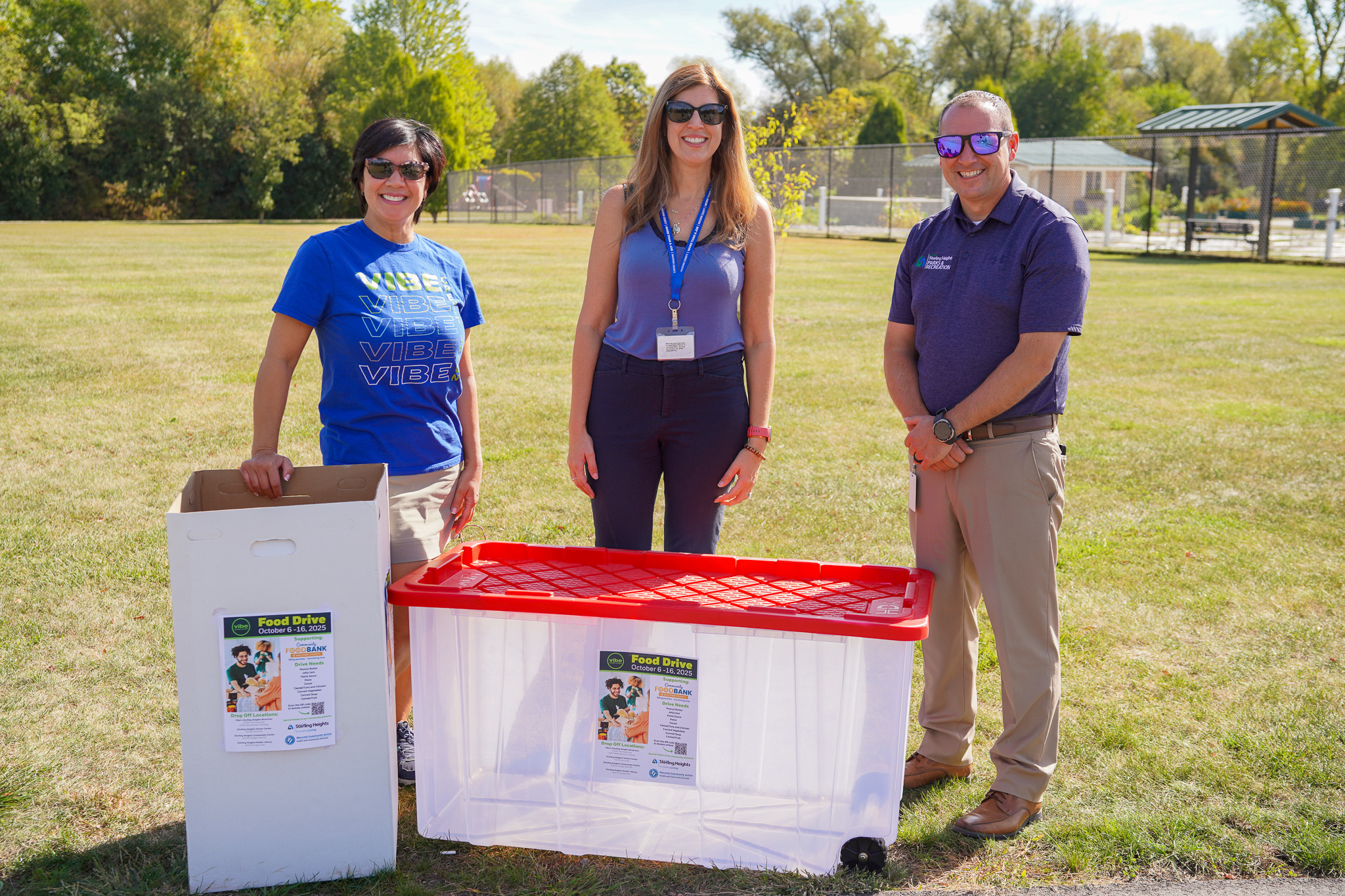
Financial / food security is enhanced through public/private partnerships like the food drive and donations with Vibe Credit Union.