Sprawl, Sprawl, and More Sprawl
By: Colleen Layton,
March 12, 2015
Sprawl – we know it when we see it. We all live with sprawl in some way or other, but do we ever stop to think how it impacts our lives? Or do we just go through the motions of everyday life and become comfortably numb to our daily activities and surroundings? And it impacts us financially, as well. We pay a lot more for sprawl development than for compact development.
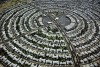 A recent trip to the Phoenix area, hit me harder than usual. It wasn’t my first time there, but my awareness and critique of how we build communities become increasingly unforgiving as time goes by. If I were asked to describe Arizona in a few short words, it would go something like this: cement pavement, strip malls, franchise restaurants, multilane roads (in one direction), boundless traffic, breathtaking views, soothing mountains, relentless sunshine, blue sky, rich history. Talk about divergent narratives – and all of them are true. I’m not going to espouse why everyone should experience the beauty of Arizona once in their lifetime, I will leave that to the travel books. I just want to share (or vent is more like it) a few thoughts on poor planning – the bane of our everyday life.
I’m not a trained traffic engineer or certified planner, but I don’t have to be – and neither do you – to know what’s working and what’s not. We just have to stop and think about how we go about our daily lives, and ask ourselves a few basic questions: how much time do we spend in a car? Do we have a local coffee shop or restaurant that we can easily get to? What do we consider to be the heart of the community? Can we walk to the library? (Check out strong towns, an organization advocating for vibrant and resilient communities, which offers ten simple questions called the Strong Towns Strength Test to test the strength of your community.)
Most of us know someone who has fled the frigid north for the year-round warmer climates. On my trip to Phoenix, I visited a friend who lives in a senior community, west of Phoenix. It is an award winning community development which has separated the housing from shopping, restaurants, and cultural venues. Sound familiar? With an aging population, there should be less reliance on a car, not more. So why are they building and expanding (construction can be seen everywhere) the road system? The lanes are already confusing, and its difficult to access stores and restaurants that you see on the other side of the median. At all hours of the day, traffic is heavy. I saw no evidence of traffic calming devices or alternative modes of transportation. That means you have to get in your car (or take your life in your hands in a golf cart) to get anywhere. Even though a Starbucks coffee shop was only 2 blocks away from where I was staying, there was no way that I or anybody else was going to feel safe walking over there. Even the most foolhardy would not risk crossing the multilane roads which lacked any clear markings for pedestrians
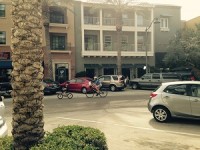 I did, however, see an example of a planned community, which has all the potential for great community living. It is called Verrado, in Buckeye, Arizona, west of Phoenix. It is built on the principles of New Urbanism. Once you get off the freeway, you truly enter an oasis of peaceful, walkable neighborhood living, with the presence of bike and walking paths everywhere. Although there were a fair amount of people in the small town center on a Sunday, a second visit during the week, showed a lot less people. It was clear that this community is in its infancy. More businesses and restaurants need to open to attract more people before it becomes a true destination.
Of course, we don’t have to go to Arizona to find examples of uncontrolled sprawl. We can go anywhere in this country and find it, including right here in Michigan. We are becoming an older nation, and unlike previous generations, as boomers age, they are choosing to age in place. That means that communities will have to be ready to meet their growing needs. There is no time to waste. We need to build more mixed-use communities, retrofit our suburbs, and consider alternative modes of transportation that will accommodate these challenges. And in the end, we will be providing a great quality of life for all generations.